The Indo-Pacific Cooperation Network is a unique cross-national network established by the AIIA and the Japan Foundation. Over the course of a year, participants travel to three international destinations to hone their skills and create lasting bonds that will help them in a career focused on resilience issues relevant to the region. By exploring how resilience issues are treated in different societies and socio-economic settings, experiencing how others in the network with a variety of professional and regional backgrounds view those issues as they research aspects of their field together, the AIIA and the Japan Foundation aspire to create a robust and lasting community that can call on each other for knowledge, assistance, and advice in future.
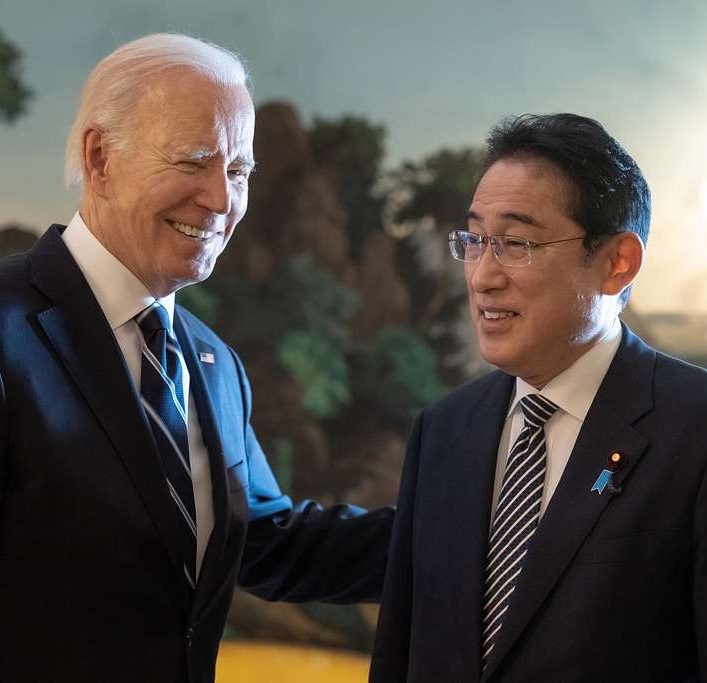
We welcomed the initiative of the Japan Foundation that is promoting exchanges among professionals and practitioners addressing common issues facing the Indo-Pacific region, such as climate change and disaster management, and we look forward to further development in the future.
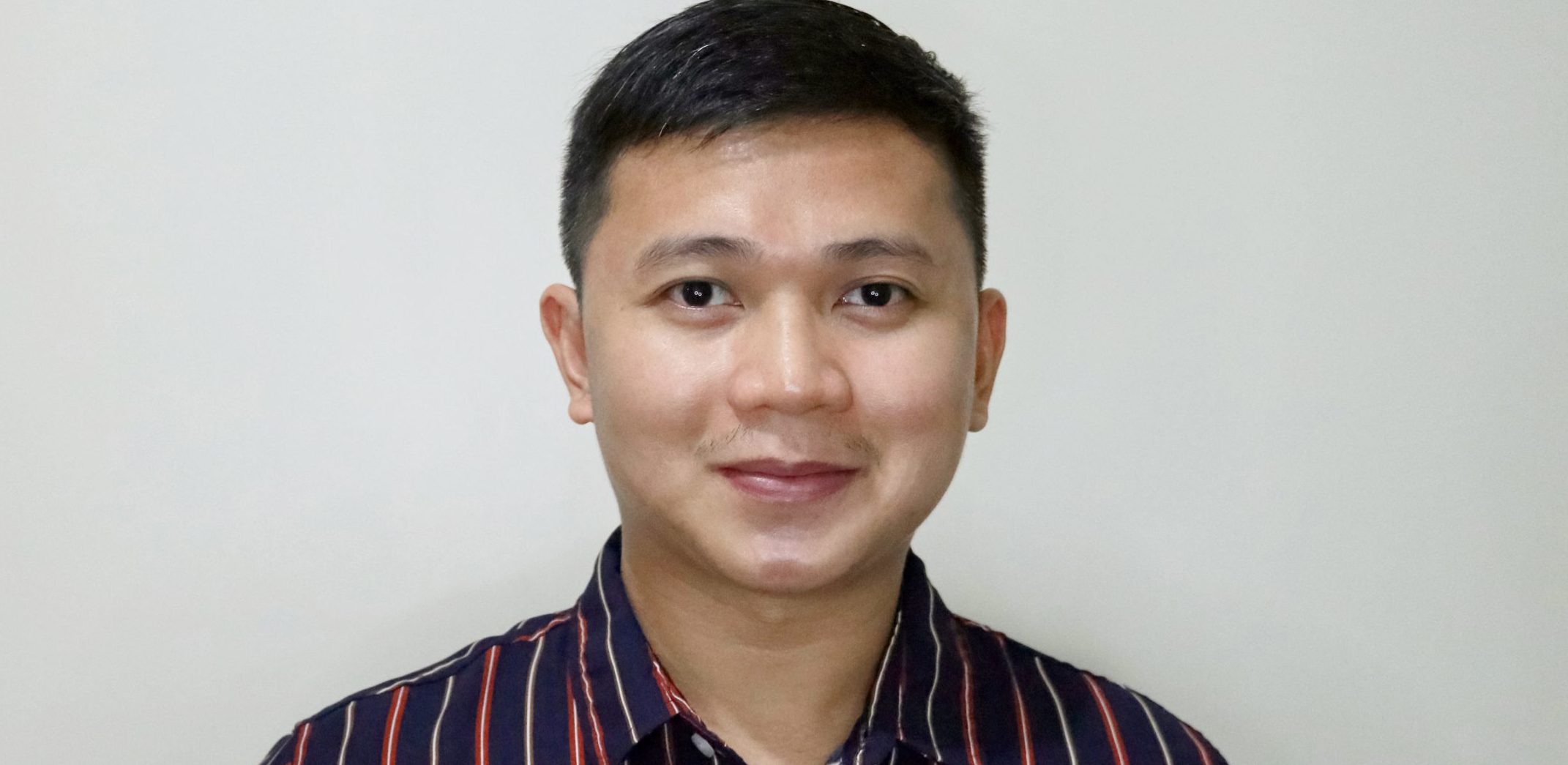
It was a truly enriching experience providing opportunities for networking and collaboration, leading to lasting friendships. Being part of an interdisciplinary group broadened my thinking beyond my own field. The cultural exposure and shared insights were valuable and can be applied across various regions and sectors.

Being an IPCN Fellow has deepened my understanding of on-the-ground Indo-Pacific DRR policies and provided valuable insights. Thanks to this program, I am now advancing efforts to establish academic partnerships among India, Australia, and Japan through a next-generation program for world-class scientists.

The IPCN has confirmed the importance of hearing and conveying real voices at the ground level. It has also reminded me that we need people with multifaceted backgrounds nationally and internationally to build resilient communities. I believe in the power of staying connected and growing this network.

Here in the Pacific we are often the researched, observed, and analysed. Being part of the IPCN, opened up new research opportunities and enabled me to engage as an equal partner in international research and policy analysis.

As a citizen of the world’s most disaster-prone country, the Philippines, being an IPCN fellow is an excellent opportunity. It expanded my international networks, opening up exciting opportunities for collaboration with fellow experts who share common interests and goals in contributing to the resilience of vulnerable communities.
Researching resilience in Japan
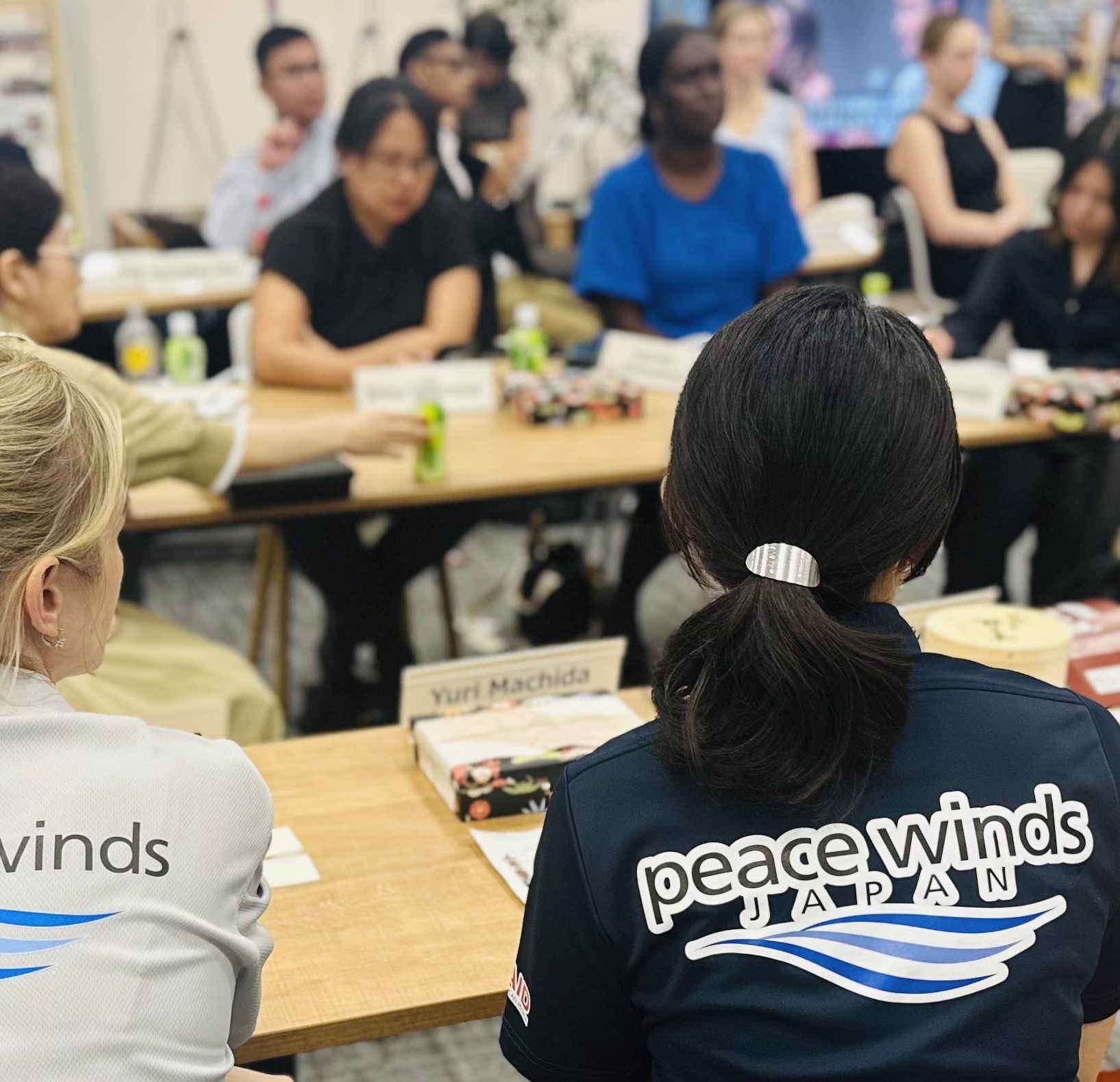
The first part of the Indo-Pacific Cooperation Network is a study tour to Japan. Network cohorts have travelled to the Tohoku region, as well as to the cities of Tokyo, Kobe, and Kyoto to study disaster resilience. Key to these meetings was a focus on earthquakes and tsunami, and how nations like Japan deal with memories of disaster to ensure the safety of their citizens in future. This meant visiting disaster sites and listening to the voices of those who had been directly affected by the Great East Japan earthquake and tsunami of 2011 and the Kobe-Hanshin Earthquake of 1995. The cohorts also met with local and central government officials, researchers, non-government organisations, the media, and local community groups, and toured disaster and evacuation sites, museums, important national institutions, and, in the case of the first cohort, a conference on disaster resilience, to experience first hand how disaster is approached across Japanese society.
Raising the profile of our participants
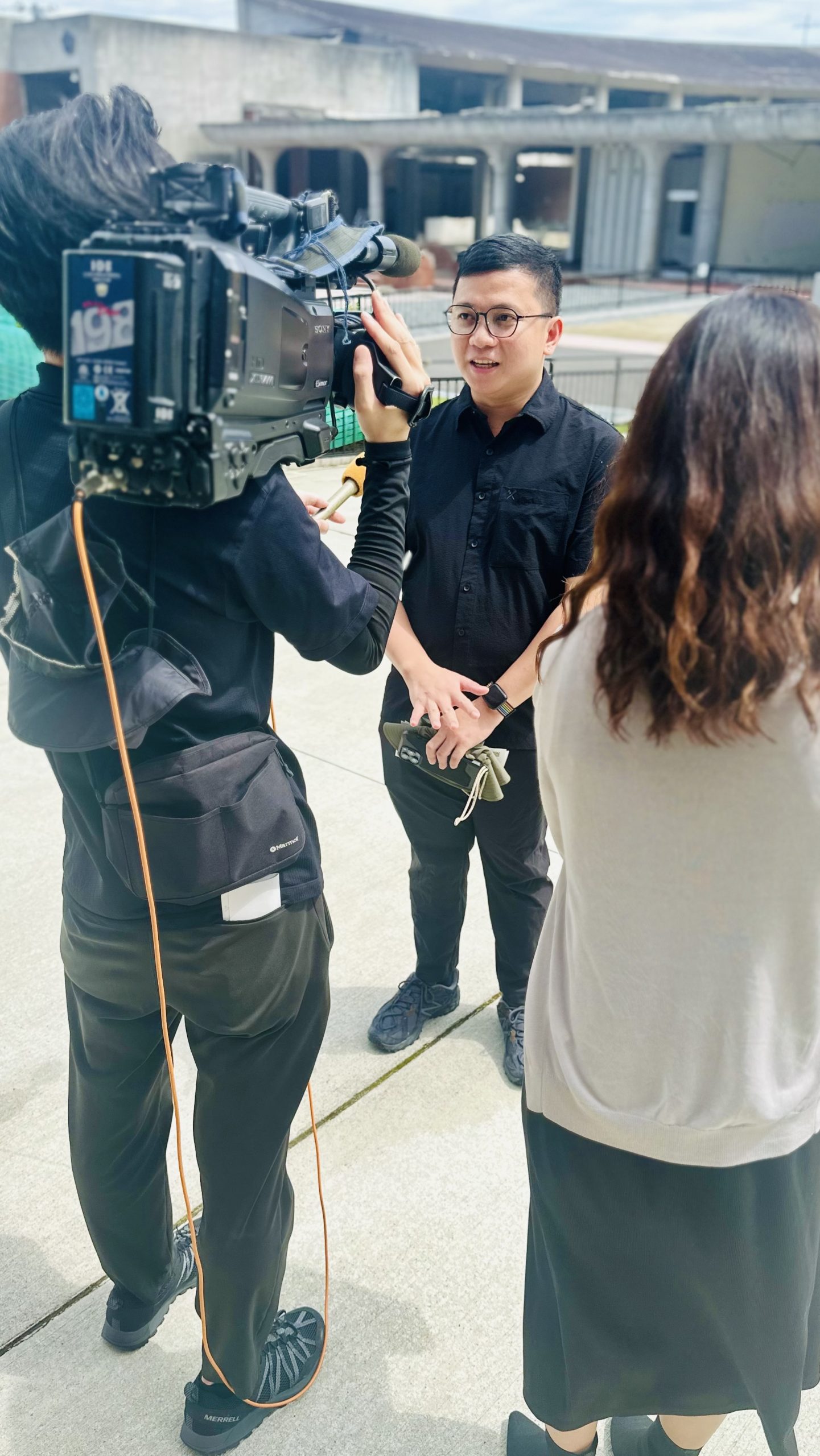
One of our key goals of the network is to raise the profile of its participants. During the course of our activities, network participants have the chance to appear on local and national media interviews. We have encouraged our participants to present their findings at international conferences. And many of our participants have gone on to write articles on their experience in their national media, as well as on opinion sites, including the AIIA’s Australian Outlook. We support members in getting the word out about their activities. Click below for media coverage of our program on Japan’s national broadcaster NHK, the Sydney Morning Herald, and Fiji One TV.
Meeting opinion leaders
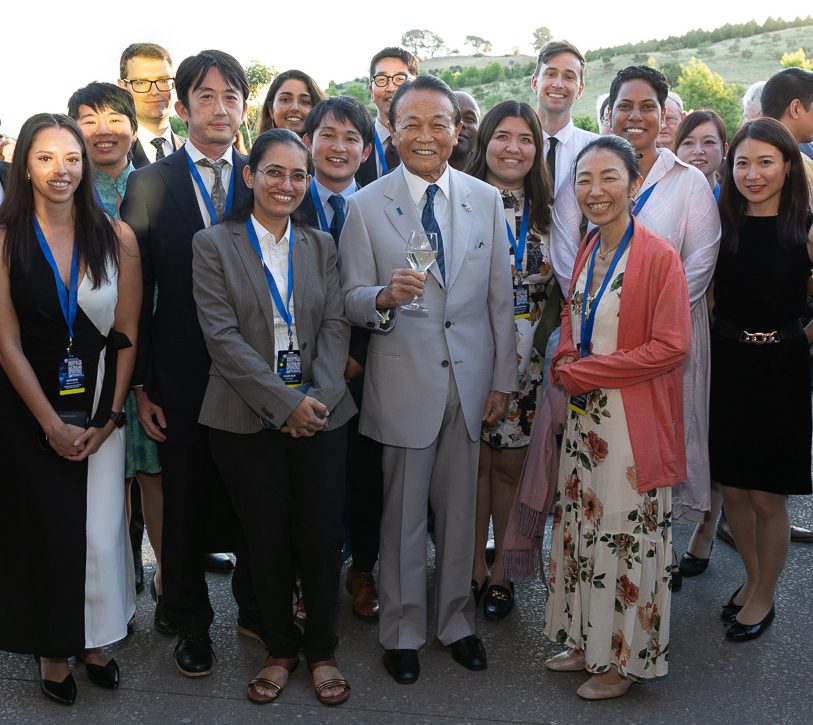
In Australia, network participants attend the AIIA National Conference, where they meet leading speakers on international affairs from around Australia and the World. Many of our participants also speak on stage as experts in their own right. The attend masterclasses on international affairs, including special sessions on disaster diplomacy, the gala dinner and a reception held by a foreign embassy. In 2024, the first cohort returned to the conference, and joined their second cohorts peers at special information sessions at the Australian Department of Foreign Affairs and Trade and the Japanese Embassy, as well as at a bespoke event where they could exchange their ideas. The second cohort then focused on bushfires and other forms of disaster resilience during a study tour in Australia.
Getting into the community
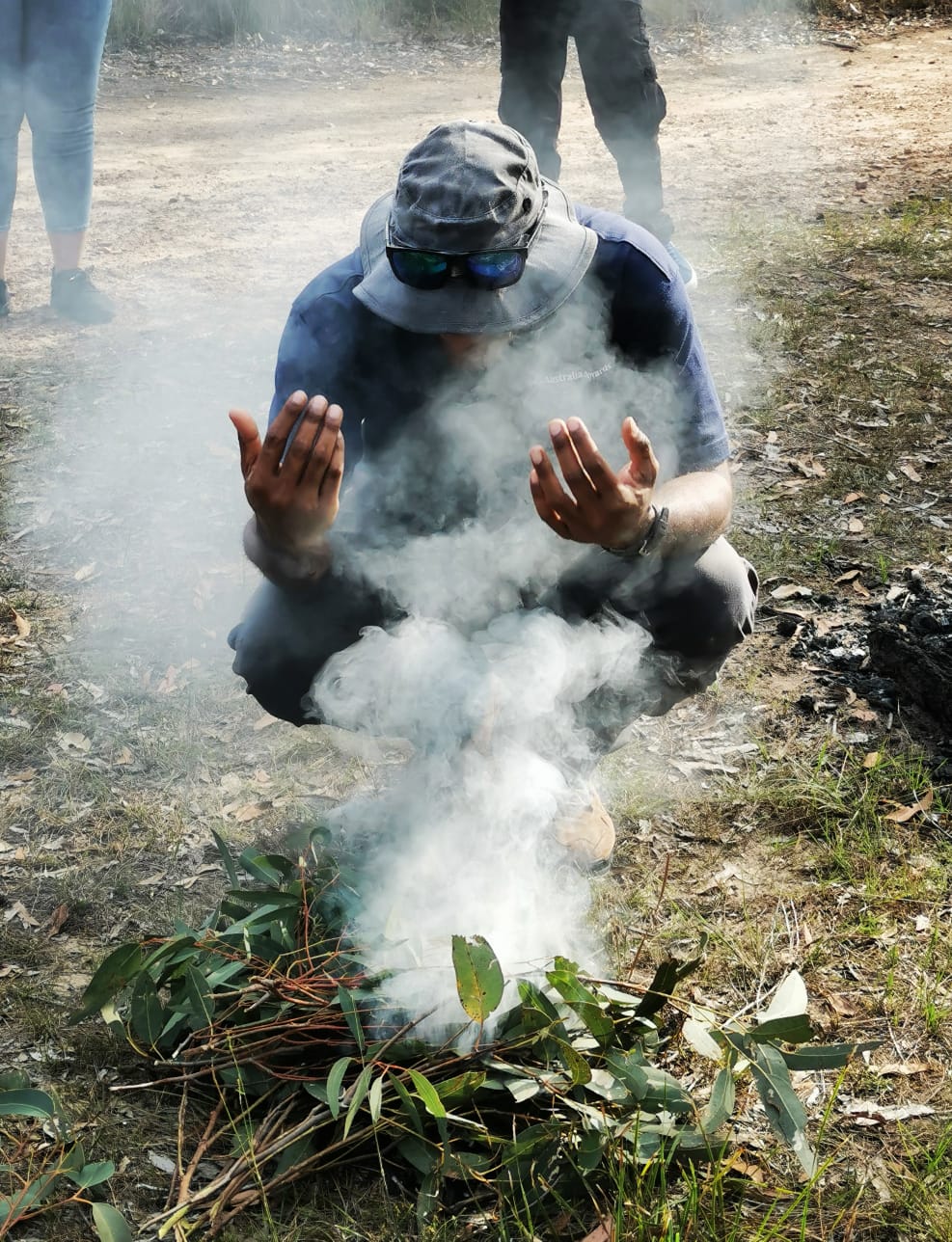
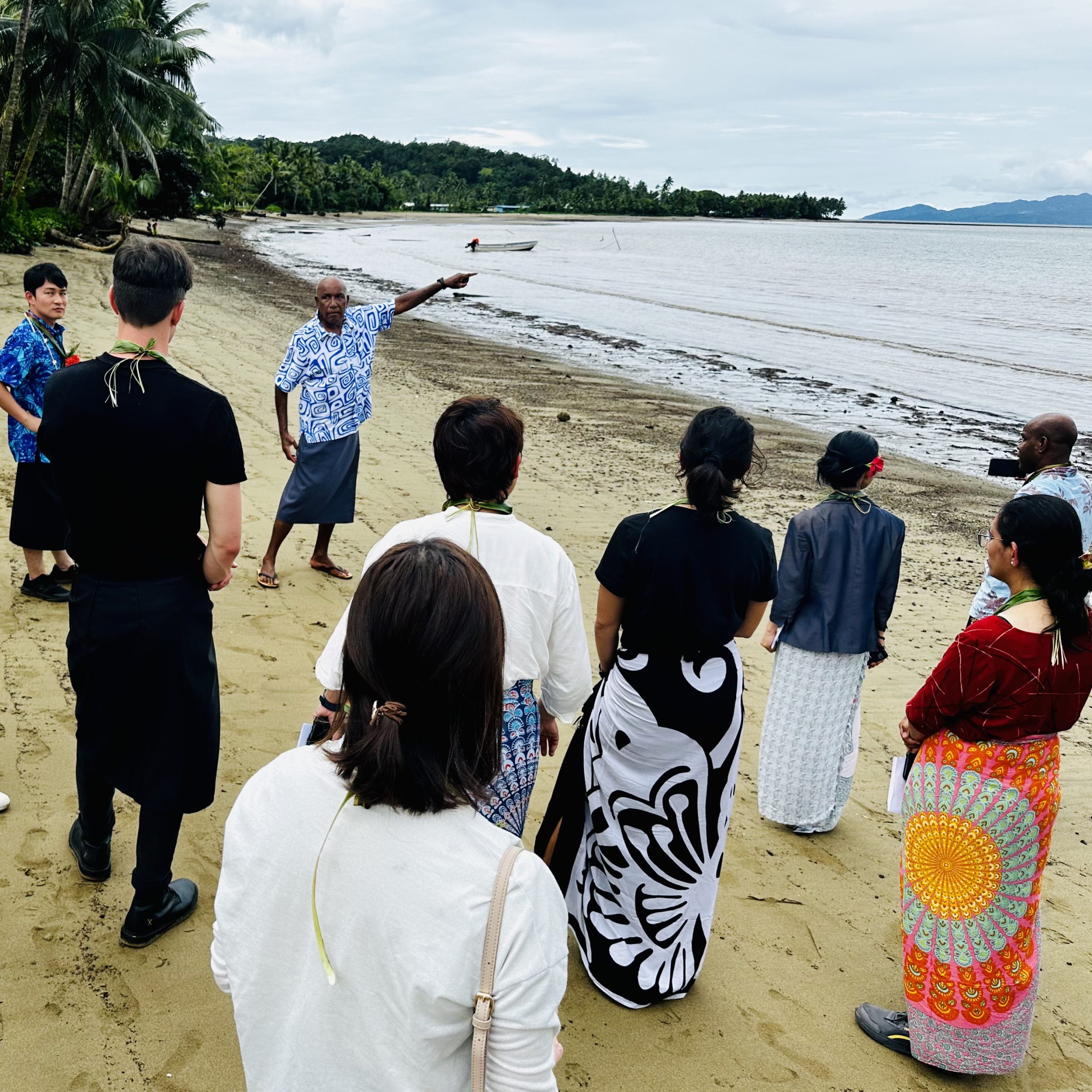
A key facet of network activity is community engagement. Our cohorts learn first hand about the importance of local and non-official efforts to build resilience. We meet with volunteers at non-governmental organisations, community groups focused on specific sectors of local economies, and visit sites that are key to local disaster resilience and memory. Through engagement with local community groups in Japan, village visits in Fiji, a powhiri or traditional welcome and discussion on the role of the “marae system” in Aotearoa New Zealand, explanations of traditional cultural practices in Tonga, and examination of indigenous burning practices and a smoking ceremony in Australia, we’ve also prioritised indigenous and traditional practices in our exploration of knowledge on disaster.
Completing the experience
Both cohorts have travelled to the South Pacific as the third destination in the program, with cohort one visiting Fiji and Tonga in 2024 and cohort two visiting Fiji and New Zealand in 2025. Given the heavy focus on climate related disasters in these regions, visits to ministries, agencies, and local communities were key to understanding the mechanisms through which disaster resilience was realised. Participants met ministers, leaders of political parties, ministerial secretaries, parliamentary staff and university heads, and the heads of the diplomatic missions of Australia, Japan, France, New Zealand, the United States, and the European Union. They were able to learn not only how development aid assists local resilience efforts, but also how developed nations benefit from the knowledge of Pacific partners as adverse climate conditions increasingly affect their own communities. They round out the tour by presenting their ongoing research.
Collaboration throughout the program
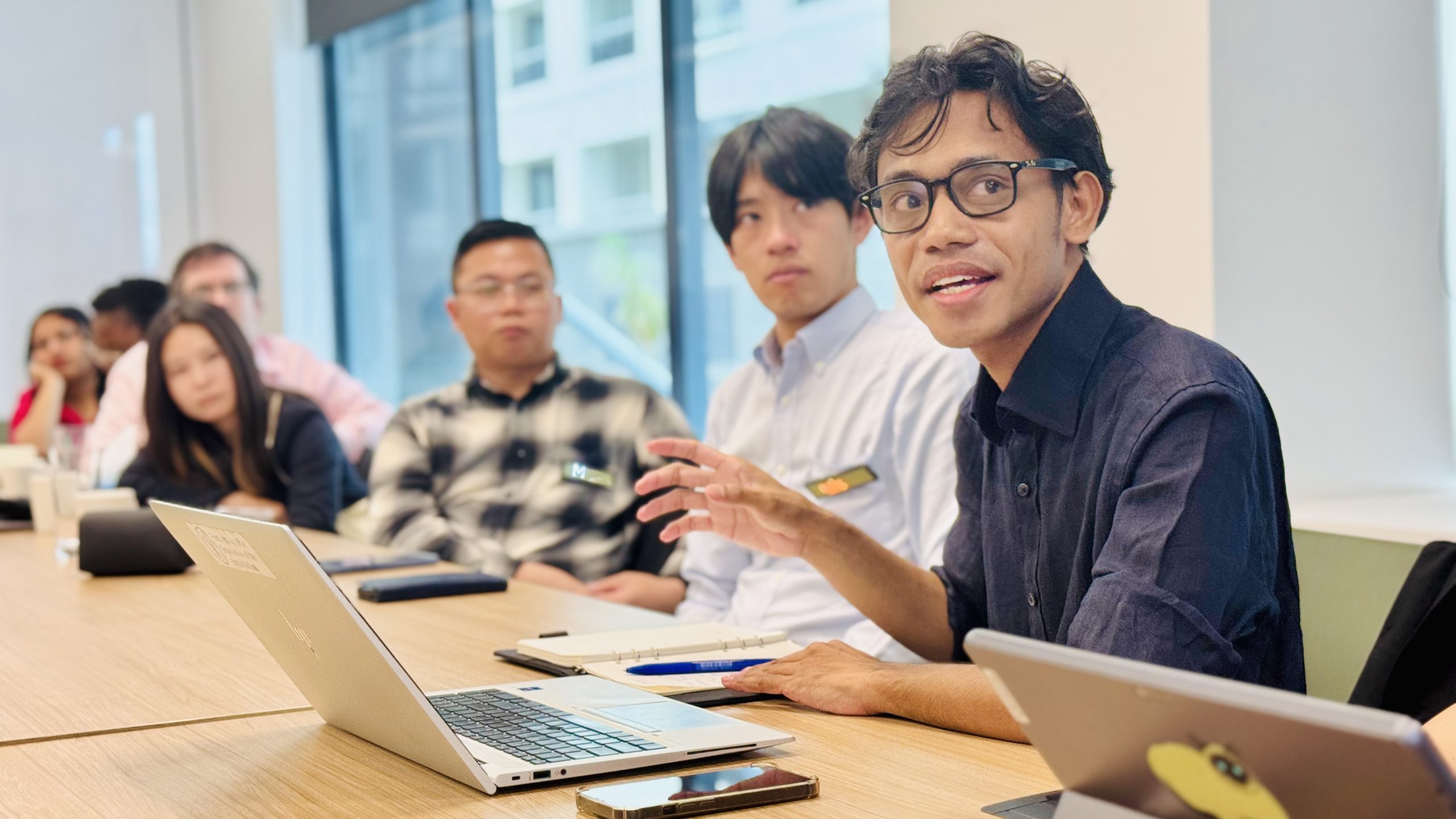
Throughout the program, and between the study tours and other activities, cohort participants are expected to engage in their own collaborative and individual research and writing on disaster resilience. At the end of the third tour, each member of the the cohort engages in an in-depth presentation of the research and other work they have undertaken throughout the program and are planning to or have published. So far, the network has produced peer-reviewed academic articles, articles in national news outlets from the Netherlands to the Philippines to Australia, television broadcasts, podcasts, and online op-ed articles, including those featured by the AIIA’s own Australian Outlook. A sample of the work of the network is below.
Creating bonds to secure the region
Ultimately, the core objective of the Indo-Pacific Cooperation Network is to create and cement lasting ties between people that will benefit our region in key areas of resilience. The AIIA and the Japan Foundation will continue to be in touch with network participants, and, from our experience with the first cohort, we know that network participants continue to communicate and cooperate with one another after the official activities of the network for their year have ended. Our network is carefully selected to make sure that members compliment each other and so that the network as a whole ranges across different professions, communities, and nations. It is through this network diversity that participants will be able to call upon one another to seek each other’s expertise and advice to benefit the region in the future.
If you know somebody who would fit the program, let them know about the Indo-Pacific Cooperation Network today. Information on how to apply for this once-in-a-lifetime opportunity is available by clicking the button below.
The Indo-Pacific Cooperation Network is an initiative by the Australian Institute of International Affairs and the Japan Foundation. The AIIA is grateful for the advice and support it has received from the Japan Foundation throughout this project.